
on the first purpose-built public astronomical observatory in the UK
Mill's Observatory, Dundee, and the intersection of class and anti-intellectualism

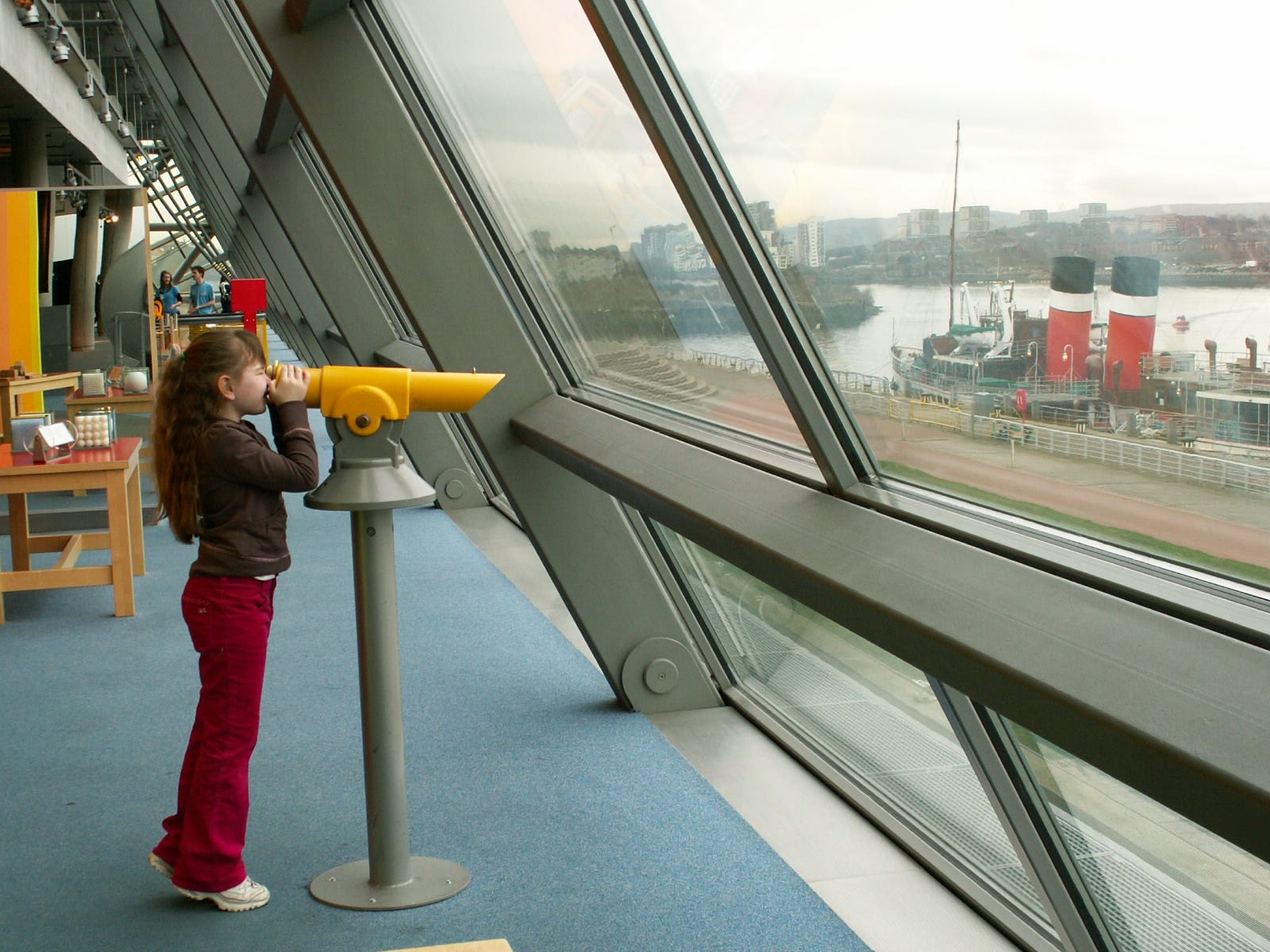
Growing up in Dundee in a working-class household, I had no idea what attending university even meant. I cannot emphasise enough how instrumental being able to attend planetarium shows as a young child at Mill's Observatory helped shaped my scientific career and fostered a lifelong curiosity about how the world works.
For me, I attended one of the worst high schools in Scotland. I was only able to attend the physics program at the University of Dundee through their access program for students from areas of multiple deprivation. Had I not been inspired by all of the work being presented by the fantastic team at Mills observatory, I do not think I would have known any of this was an option.
I am an astrophysicist now. I study how giant planets form around different kinds of stars. I will submit my thesis this summer and will then go on to work on how we can track where these giant planets are born from their chemical fingerprint. I do not believe I would have gotten here without seeing the northern lights for the first time on a very cold winter night at the top of the dome in my own hometown. And then to be told that these amazing lights are actually caused by activity on the Sun! It is a moment I think about every time I do public outreach or engagement (especially running science sessions for Dundonian children at Mill's itself!). If I could capture one moment that sparked my lifelong curiosity for anything in space, it would be that.
To be clear, Mills Observatory is an important public asset for Dundee to have. In a city with a long history of scientific innovation and exploration, it has hosted and nurtured many aspiring scientists over the years. The next generation deserves that opportunity too.
So, as some of you may be aware, I wrote this piece in June last year when I really should have been writing my thesis. However, some of my best work is done when I have a fun side quest to keep me fuelled.
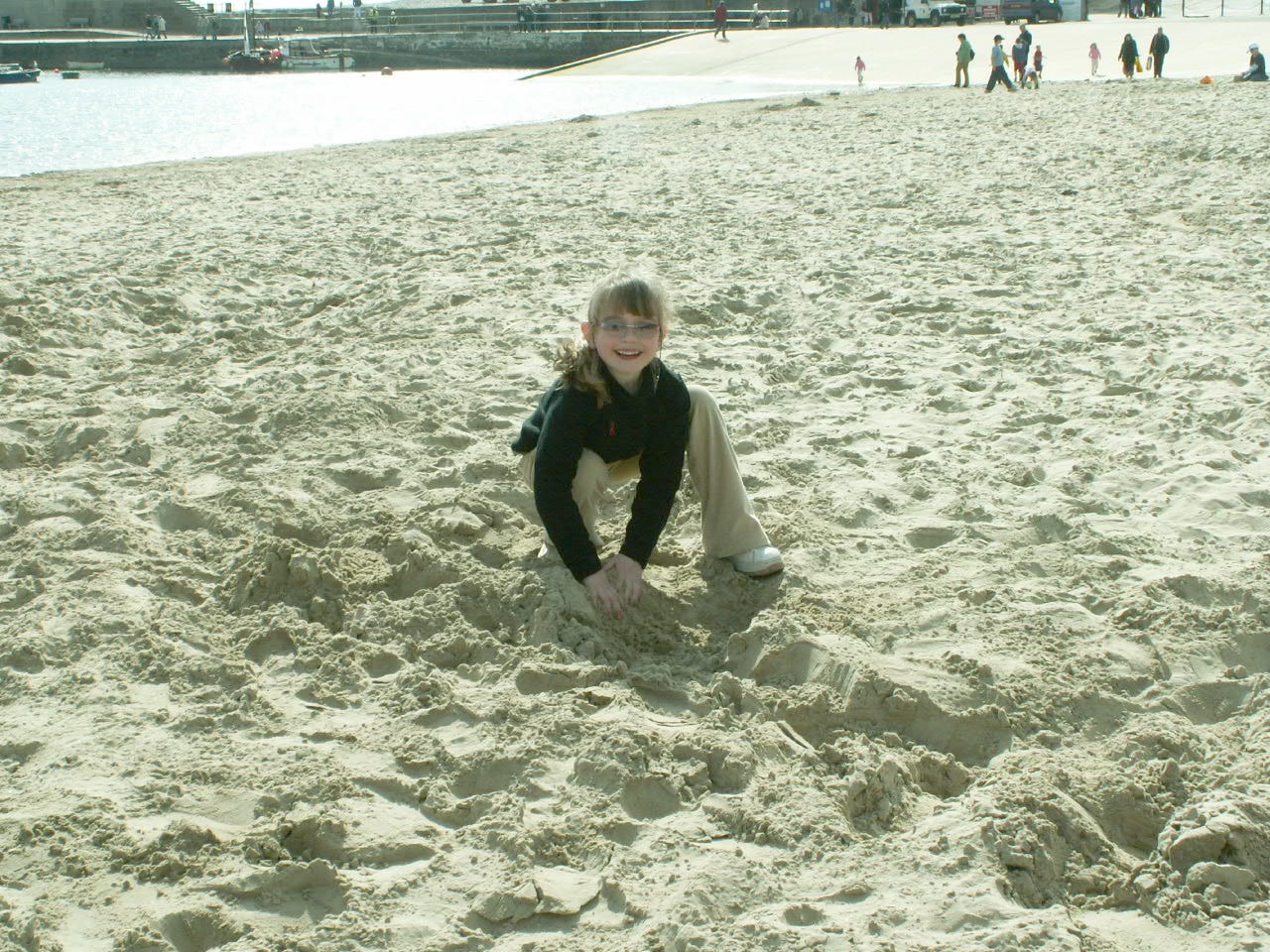
It was announced in May 2024 that Leisure and Culture Dundee (LACD) were going to shutdown Mill’s Observatory in a bid to save £40,000 a year. My ongoing issues with Dundee City Council notwithstanding, this seemed like an incredibly short-sighted cash-grab to keep building fake beaches in the city centre when the actual beach (a nice one too!) is less than 5 miles away. I spent my entire childhood in Dundee and watched the council cut service after service to the bone. It felt incredibly egregious to watch them take another thing from the young people in my hometown.
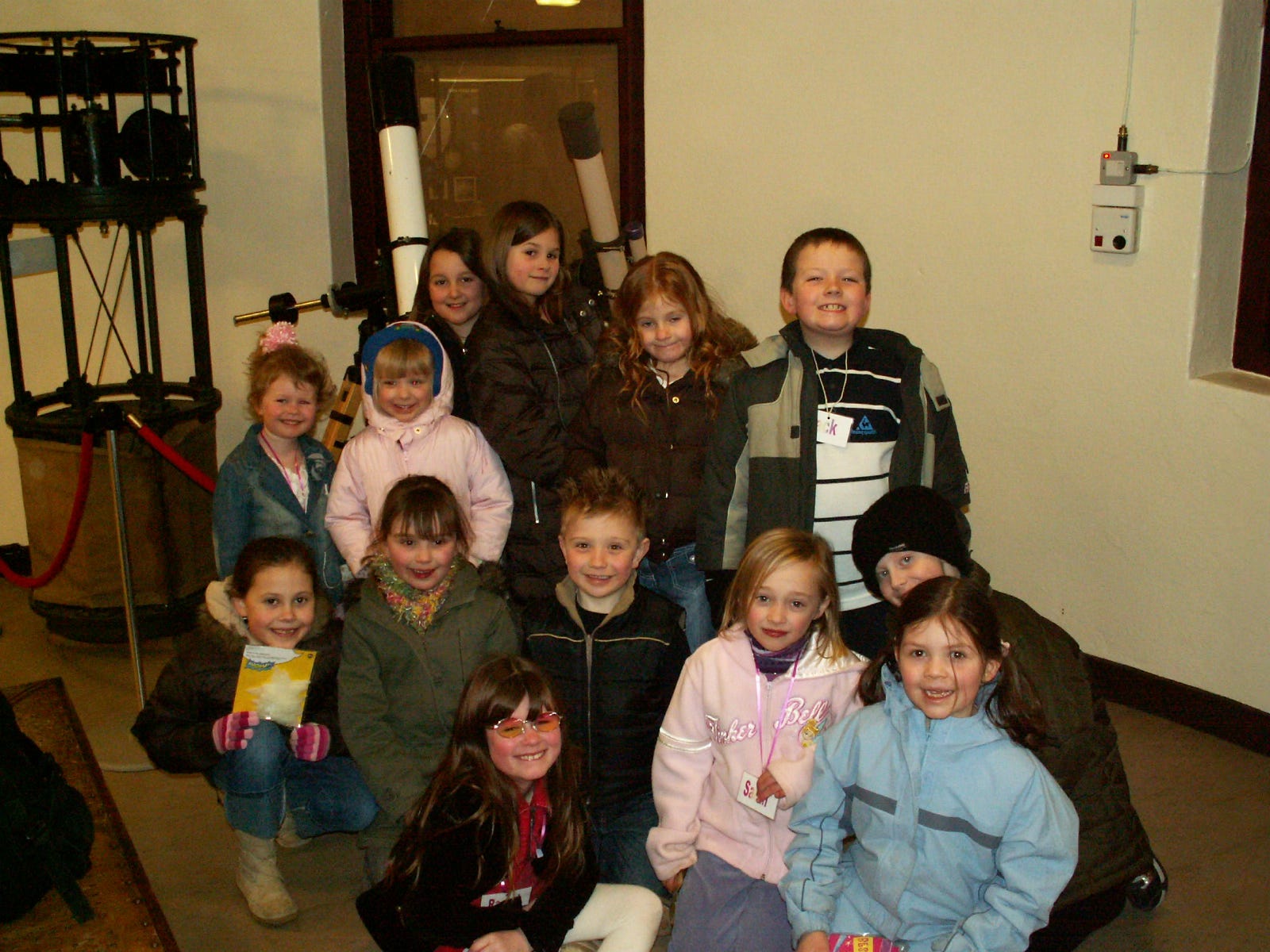
I had my 8th birthday party at Mill’s Observatory. Astrophysicists often know they want to be astrophysicists from when they are very young. They see an eclipse; an aurora borealis; a meteorite; and they are hooked. They are filled with that innate curiosity, that need-to-know, and they spend their lives trying to get as close to the stars as they can. It was not like that for me.
When I was very young, I wanted to be a marine biologist. I fear this is the typical career aspiration for any girl who is remotely interested in science and watched a lot of Crocodile Hunter. I specifically wanted to be a conservationist and would spend hours copying facts on the 13 remaining wild Baiji river dolphins. By the time I was 8, I didn’t want to be a scientist at all. I wanted to be a writer.
The truth is that girls fall behind boys in maths within the first 4 months of primary school (Martinot et al. 2025). Based on this study of 2.6 million French school children, boys and girls have comparable mathematics ability when they begin their schooling. The gap becomes measurable within the aforementioned 4 months and continues to widen the longer the children are in school (Martinot et al. 2025). The most harrowing fact from this study is that it is not the age of the child, but purely the length of time that that child has spent in school. School acts as a magnifier of inequality, writes Dr Melissa Tracy for Newsroom.
As a female astrophysicist, I find this disturbing but not surprising. It has always been evident to me, in my mixed-gender state-run education experience, that we are fundamentally doing something wrong and driving girls away from STEM. After all, despite having been so interested in science to have my birthday party at an observatory a mere 5 years prior, I only chose to take physics to ‘round out’ my choices.
This is a common experience. Research conducted by Microsoft revealed that most girls’ interest in STEM waned by the age of 15. The 11,500 women surveyed expressed that:
A lack of female role models in STEM was a key barrier to pursuing a career in STEM.
Young women are not getting enough practical, hands-on experience with STEM subjects.
Families and immediate environment play the most significant role.
“So what are your plans when finish high school?”
“I am from Dundee, why would I do anything around all?”
Why did I say that? I was a 15 year old girl at the time, not the most reliable narrator. But I remember believing it. Who was I to think I would ever do anything? I would never leave Dundee, what was the point of looking up when someone was always ready to shove my head down? Ready to make sure that I knew my place?
My high school consistently ranked in the bottom 5 in Scotland for proportion of students achieving their Highers. In fact, of the 8 secondary schools in Dundee, 3 ranked in the bottom 10% of Scottish schools in 2022-2023. I was forced to have a 1-to-1 meeting with the careers counsellor about my choice to leave for university at 17; where I was told to “manage my expectations” and “consider some other options”. And we find that if girls’ parents and/or teachers make them believe that STEM is too hard for them, girls will quickly abandon these subjects.
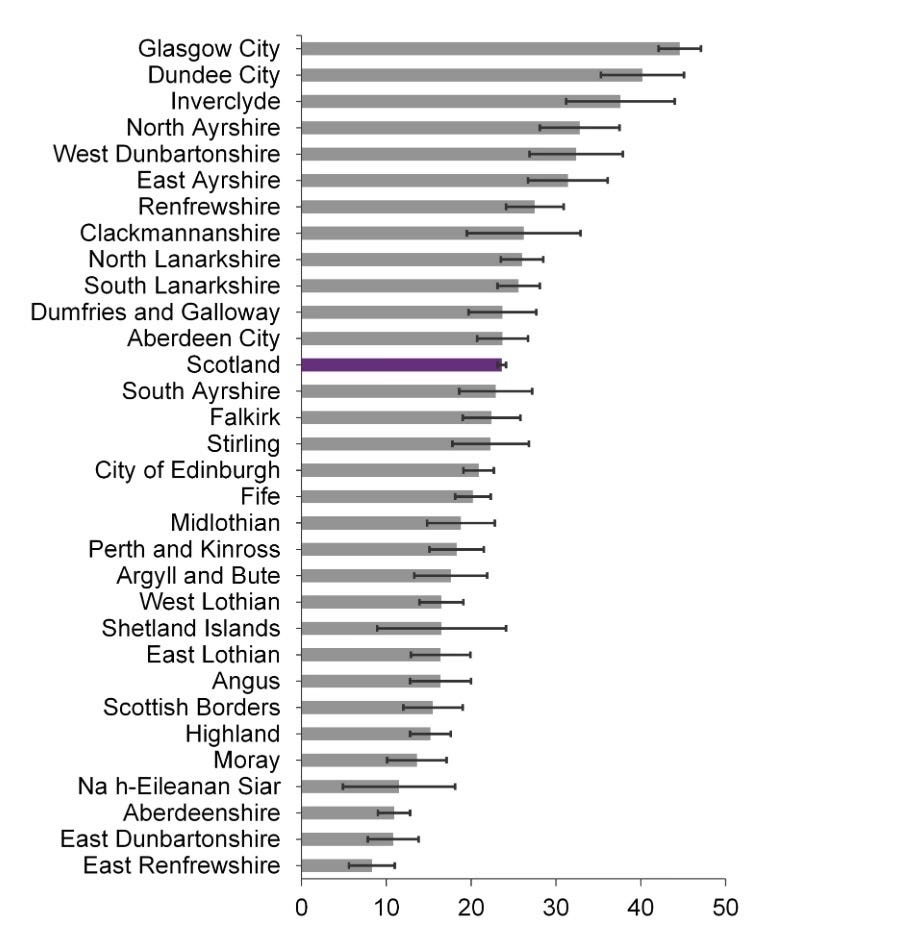
Not only do young girls in Dundee have to contend with these global barriers to STEM fields, they are hindered at every turn by virtue of the local society. In their 2019-2020 study, Dundee was found to be the worst place in Scotland for girls to grow up. Researchers found Dundee had the nation’s second highest NEET rate (not in education, employment, or training), 3rd highest female suicide rate, and the highest youth unemployment rate. It also has the 2nd highest rate of sexual offences in Scotland. Furthermore, Dundee was infamously the teen pregnancy capital of Europe. Today, it has one of the highest rates of drug deaths in Europe; a life expectancy below the national average; and 30% of children living below the poverty line.
Herein lies the problem, an alarming rise in anti-intellectualism. Recent studies have argued that anti-intellectualism - a distrust of intellectuals and experts - is fuelled by rural social identification. People in rural areas or small towns have rural identities that others experts and intellectuals into an “out-group” (Trujillo 2022). The origin of this othering is specifically rooted in the divide in levels of education between rural and non-rural areas; contributing to these rural residents viewing themselves as below urban residents in the cultural hierarchy (Ching & Creed 1997). This is exacerbated by stereotypes associated with both groups: (i) urban areas are sophisticated, creative, beacons of progress, whereas (ii) rural areas are backwards, ignorant, and inferior (Lay 2012).
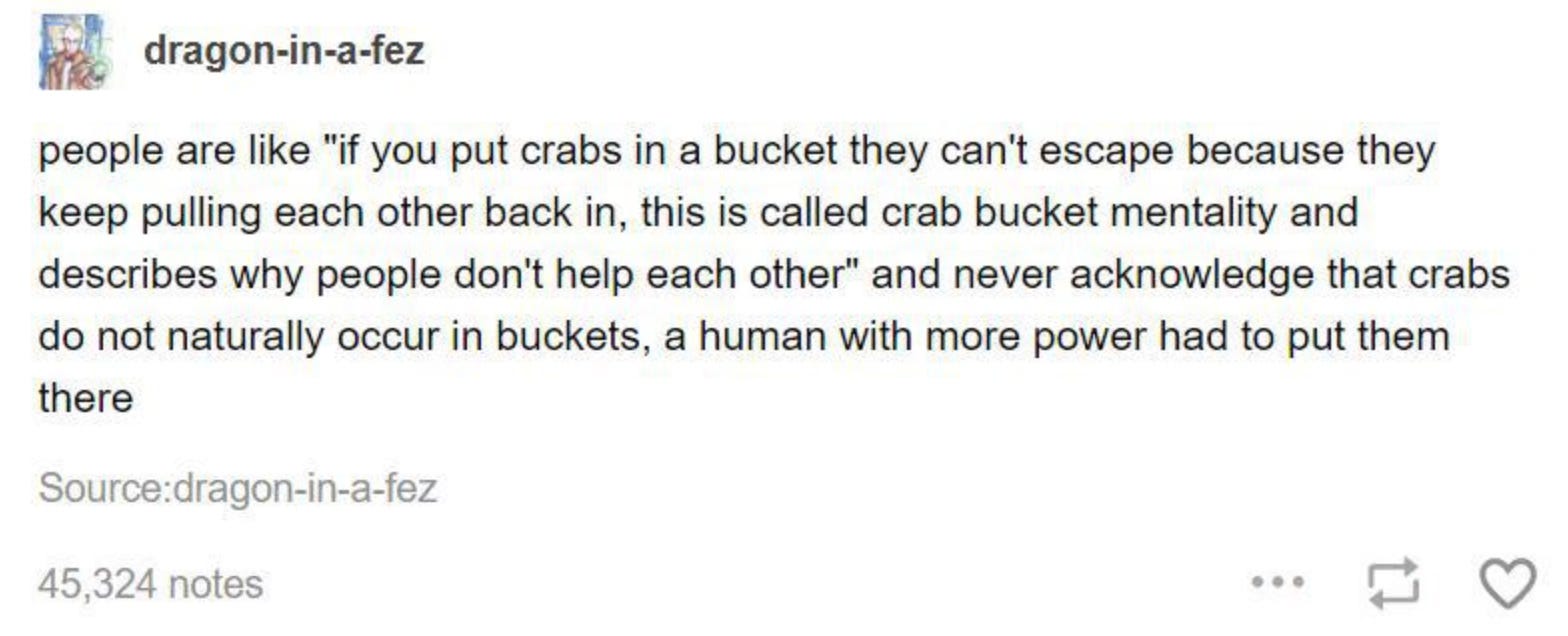
So why does Dundee seem to connect to this rural identity? Dundee has always been described as a “big village”. Growing up here, growing up here as a weird, queer girl, felt suffocating. I was scared to do anything, scared to be seen, scared to breathe. The idea that people would know made me burn with shame. This othering of anything or anyone different or, in my experience, internalised othering, is rampant. A city built on industry without any industry. The days of “jute, jam, and journalism” are long gone. The Timex factory collapsed. Michelin uprooted itself. NCR remains as a shadow of its former self. What is left is a town of people - proud, working people - with no work? In fact, Dundee has nearly twice the national average number of workless houses. The anti-intellectualism is a symptom of crab-in-a-bucket mentality: if I cannot have it, then neither can you.
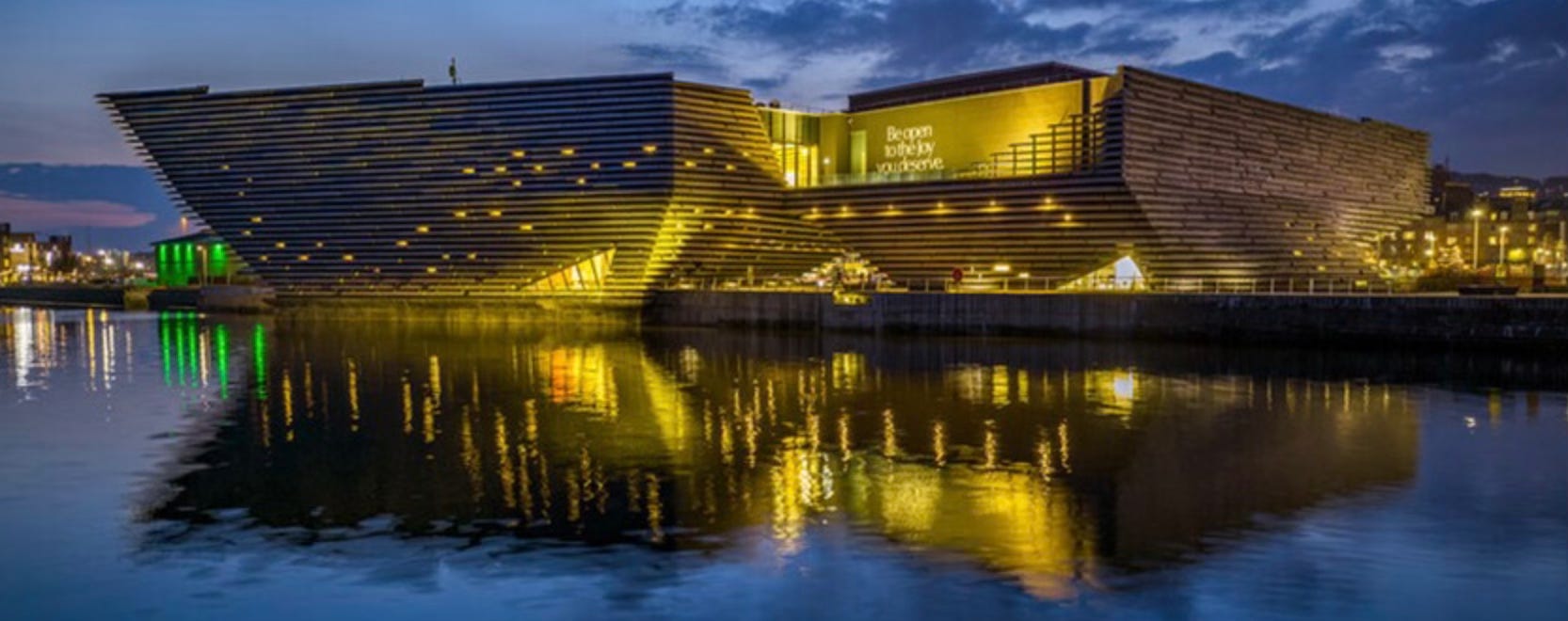
This is why, to me, the threatened closure of Mill’s Observatory was especially egregious. Higher education has long been the key driver of social mobility. STEM (and Law) degrees providing twice the boost than other subjects (1.6% compared to 0.8%). If you do not let girls be curious, if you do not encourage girls to be curious, they never get the chance to decide to be interested or not. You trap them first by being born a girl and secondly by being born poor, with poverty always disproportionately impacting women and girls. Getting rid of an essential public service - a small piece of Dundee that remains for the local people - is unforgivable.
However, crabs are not born to live in buckets, and that is not how the story ends for my hometown. The Save Mill’s Observatory petition got over 4,000 signatures. Winter 2024/2025 was a record breaking season with over 14,000 visitors. STAR-Dundee - a space tech company based in the city centre, donated £50,000 to support the observatory. We were told “we must use it, or lose it”. The people of Dundee realised what was at stake - a piece of their history, science, and culture - and rallied to save it. Ultimately, for change to occur, you must act.
I hope you enjoyed this silly little deep dive into my hometown. It was very fun to write and find citations for.
Goodnight reader, goodnight.
- heather
I loved the little Heather’s pics, and know more about your city and your childhood! I’m happy people are getting action about the observatory. Definitely, it is a life changing to have such place in the city.